Algorithms at Work: Crafting Personalized Odds Offers Across America's Top Sportsbooks
Erik Friedrich · Oct 4, 2026
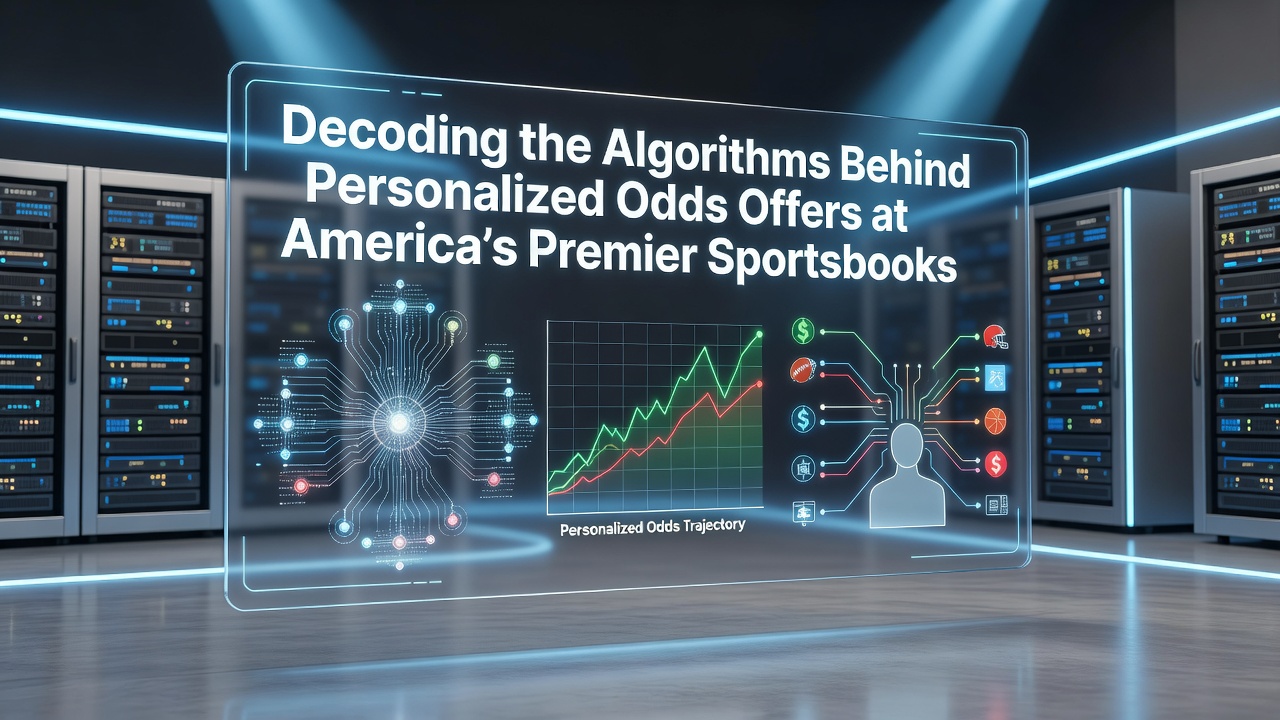
Algorithms at Work: Crafting Personalized Odds Offers Across America's Top Sportsbooks
Personalized odds offers have become a standard feature at leading American sportsbooks, where complex algorithms analyze user data to adjust lines and promotions in real time. These systems draw on betting history, account activity, and market conditions to generate tailored pricing that differs from standard public lines, and observers note that the approach expanded notably through October 2026 as sports calendars filled with overlapping events.
Data Inputs Driving the Systems
Operators collect extensive information on each account, including wager frequency, average stake size, sport preferences, and response patterns to previous offers. Researchers have documented how these inputs feed into models that segment users into categories such as recreational players or those who focus on specific markets like player props or live betting. The data also incorporates broader market signals such as line movement across competing platforms and injury reports, allowing the algorithms to recalibrate quickly when new information emerges.
Geolocation and device data add another layer, since state regulations vary and mobile usage patterns influence how offers are presented. Studies from academic institutions have shown that combining these variables produces offers that reflect both individual risk profiles and overall book exposure, reducing the chance of large payouts on correlated bets.
Machine Learning Models in Action
Modern implementations rely on machine learning techniques that update continuously rather than relying on static rules. Gradient boosting and neural network architectures process thousands of features per second to predict the probability that a given user will accept an offer at a particular price point. Those who've examined the technology note that reinforcement learning components allow the systems to test small variations in odds and measure uptake rates before scaling the adjustment across similar accounts.

What's interesting is how these models balance profitability with customer retention. When a user shows consistent behavior in a particular league, the algorithm may tighten margins on correlated props while loosening them on unrelated markets to maintain engagement. Data from the Nevada Gaming Control Board indicates that such dynamic pricing contributed to higher handle volumes in key months of 2026 without proportional increases in liability.
Risk Management and Regulatory Context
Personalized odds also serve as a risk control mechanism. By identifying accounts that concentrate wagers on high-variance outcomes, the systems can adjust future offers to steer activity toward lower-exposure bets or impose limits automatically. Industry reports reveal that this approach helps operators maintain balanced books even during peak periods when sharp bettors attempt to exploit public lines.
Regulatory frameworks in states such as New Jersey and Pennsylvania require transparency around how odds are derived, though the precise weighting of factors remains proprietary. External audits examine whether the algorithms inadvertently create unfair advantages or violate advertising standards, and those reviews have prompted refinements in how offers are disclosed to users.
Practical Examples Across Sports
Take the case of NBA player prop betting, where historical performance data and usage trends allow models to generate individualized lines that differ by a few points or cents depending on the account. Similar patterns appear in MLB pitcher props and NFL futures, where long-term wagers receive adjustments based on a user's past success rate in that category. Observers note that these differences remain small enough to avoid regulatory scrutiny yet large enough to influence overall margins when applied across millions of accounts.
Live betting environments present additional complexity because odds must update within seconds of in-game events. Algorithms incorporate real-time tracking data and betting flow to recalibrate offers mid-game, often presenting personalized boosts that reflect both the current score and the individual user's tendencies.
Conclusion
The infrastructure behind personalized odds continues to evolve as sportsbooks integrate new data sources and refine their models. Figures from regulatory filings and academic analyses show steady growth in the sophistication of these tools, with operators balancing commercial objectives against compliance requirements. As more states authorize sports wagering, the same algorithmic approaches are expected to expand, shaping how offers reach users across the country.